
The Australian Chiropractors Association (ACA) is proud to celebrate National NAIDOC Week 2026 and join communities across the country in recognising the history, culture, achievements and enduring contributions of Aboriginal and Torres Strait Islander peoples.
This year’s theme, ‘50 Years of Deadly,’ marks a significant milestone, celebrating five decades of NAIDOC Week and honouring the strength, resilience, leadership and cultural knowledge of Aboriginal and Torres Strait Islander peoples and Communities. It is also an opportunity to reflect on how individuals, organisations and professions can contribute to a more inclusive, equitable and culturally responsive future.
To mark NAIDOC Week, ACA member and researcher Dr David McNaughton shares his perspective on the role chiropractors can play in supporting culturally responsive healthcare, and highlights an inspiring example of Community-led care through the CQUniversity Logan Aboriginal and Torres Strait Islander Chiropractic Clinic.
Recognising Strength, Culture and Connection in Healthcare
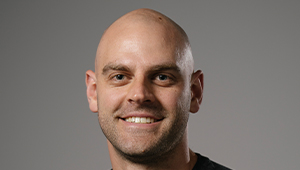
Dr David McNaughton
Dr David McNaughton (PhD) is a non-indigenous academic, chiropractor, and Senior Lecturer at CQUniversity, where he teaches and researches at the intersection of musculoskeletal health, psychology, and healthcare innovation. Alongside academia, David is a registered chiropractor and director of a multidisciplinary allied health practice, bringing real world clinical insight to his work. His research focuses on pain, First Nations health, burnout, and integrating psychologically informed care into musculoskeletal practice, with a strong passion for advancing person centred and culturally responsive healthcare.
NAIDOC Week provides an important opportunity for the chiropractic profession to reflect on how we can actively support Aboriginal and Torres Strait Islander peoples and Communities through culturally responsive healthcare.
Too often, conversations about Indigenous health are framed through statistics of disadvantage and inequity. While these challenges cannot be ignored, it is equally important to recognise the strength, resilience, leadership and cultural knowledge that exist within Aboriginal and Torres Strait Islander Communities. A strengths-based approach focuses on protective factors, cultural continuity, relationships and Community leadership that support lifelong wellbeing and healing.
For chiropractors, culturally responsive care extends beyond cultural awareness. It requires consideration of how healthcare systems, clinical environments, communication styles and practitioner behaviours influence whether people feel respected, safe and connected when accessing care. Importantly, culturally safe care is ultimately defined by the person and Community receiving care, not solely by the healthcare practitioner.
A key concept underpinning Aboriginal and Torres Strait Islander health is Social and Emotional Wellbeing (SEWB). Unlike traditional biomedical models, SEWB recognises the interconnected relationship between physical health, mental health, family, kinship, culture, spirituality, Community and connection to Country. This holistic perspective encourages practitioners to look beyond symptoms alone and consider the broader context in which health and healing occur.
Another important principle is Indigenous Data Sovereignty, which recognises the rights of Indigenous peoples to govern how information relating to their Communities is collected, interpreted and shared. These principles reinforce the importance of Community leadership, reciprocity and self-determination in healthcare and research, encouraging approaches that are developed alongside Communities rather than delivered to them.
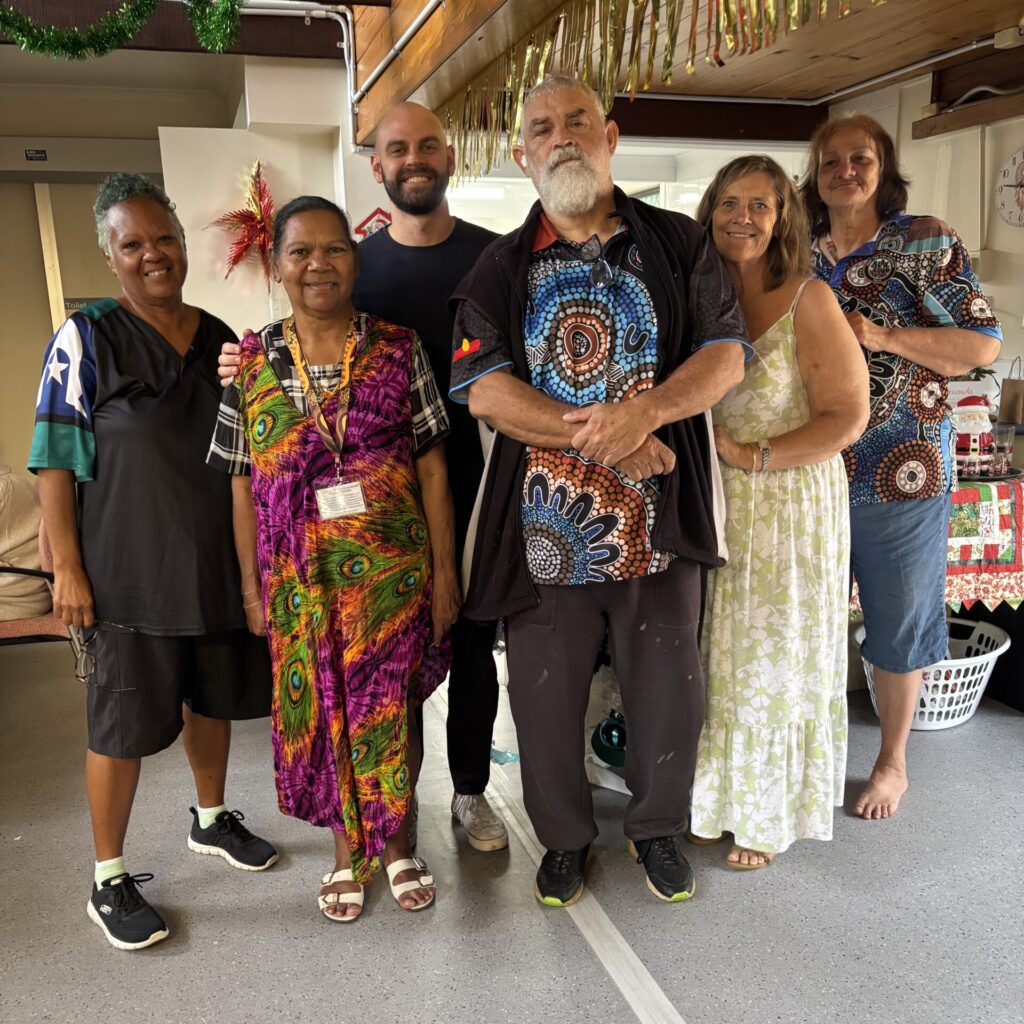
A powerful example of these principles in action can be found at CQUniversity Australia through the collaborative partnership between the Discipline of Chiropractic and the Logan District Aboriginal and Torres Strait Islander Corporation for Elders.
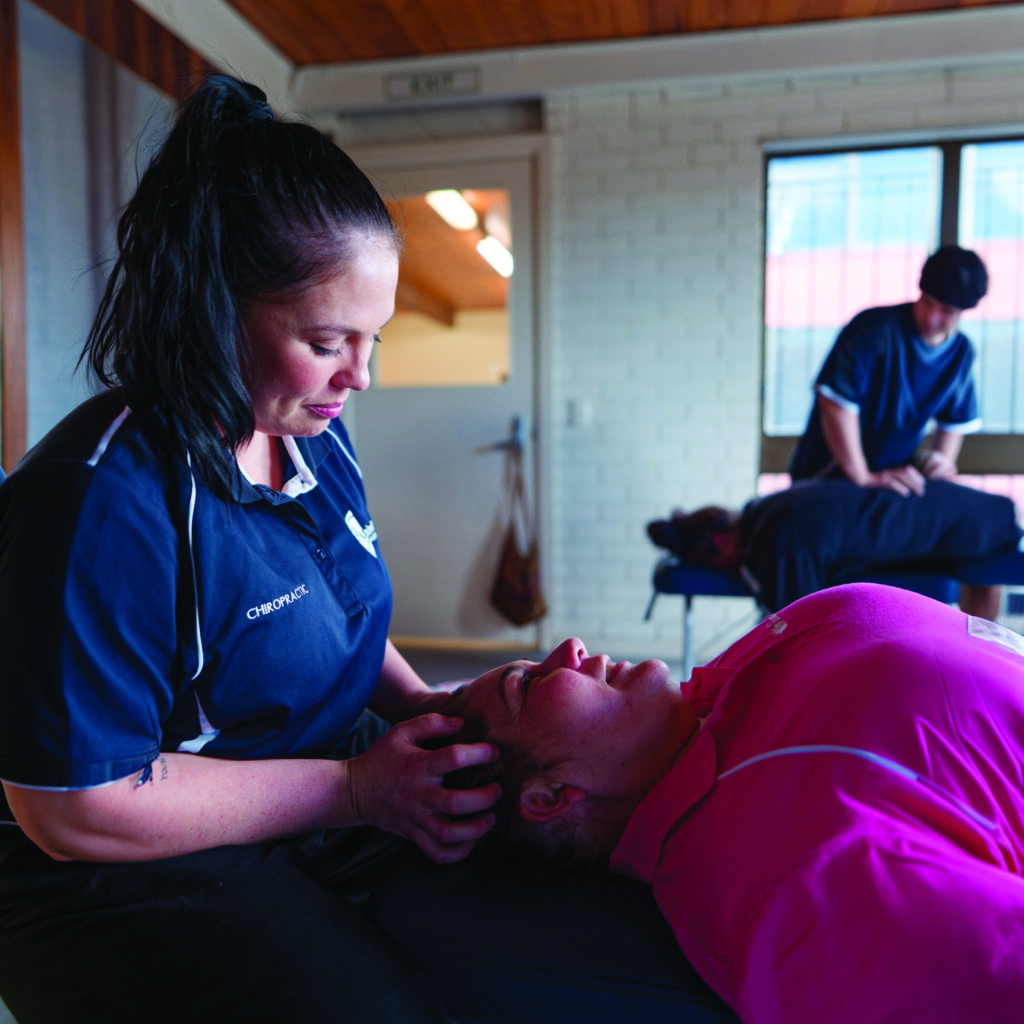
Established in 2023, the Logan Aboriginal and Torres Strait Islander Chiropractic Clinic provides Community-led musculoskeletal care delivered by supervised chiropractic students within a culturally governed environment. Co-designed alongside Logan District Elders, the clinic reflects principles of relational care, cultural governance and Community leadership.
Recently, a collaborative evaluation of the clinic examined its first 19 months of operation through a retrospective file audit and a series of yarning circles with Aboriginal and Torres Strait Islander participants. During this period, more than 1,100 consultations were delivered, with low back pain and neck pain identified as the most common presenting concerns.
However, the most meaningful findings extended beyond utilisation data. Participants consistently described the clinic as a place of belonging, trust and connection. Rather than viewing it solely as a healthcare service, many described it as a culturally safe Community space where relationships and healing occurred together. One participant captured this sentiment simply: “This place has a good ubi.”
Participants highlighted the importance of Elder leadership and cultural governance in creating an environment where trust could flourish. The clinic was frequently described as “people first, business second”, with care grounded in relationships, respect and Community connection. Many also reported positive outcomes including reduced pain, improved mobility and broader wellbeing benefits.
For chiropractic students, the clinic provides a valuable learning environment where culturally responsive healthcare is experienced firsthand through direct Community engagement and mentorship.
This partnership demonstrates that culturally responsive chiropractic care is not simply about adapting communication styles or increasing cultural awareness. It is about creating healthcare environments that are relational, strengths-based and Community-led. It also highlights how Aboriginal and Torres Strait Islander leadership and self-determination can shape musculoskeletal healthcare in ways that foster trust, engagement and meaningful care experiences.
As we celebrate NAIDOC Week 2026, chiropractors across Australia have an opportunity to show visible and meaningful support for Aboriginal and Torres Strait Islander peoples and Communities. By recognising strengths, valuing cultural knowledge and supporting Community-led approaches, the profession can contribute to healthcare environments that are more equitable, culturally safe and responsive for all.